

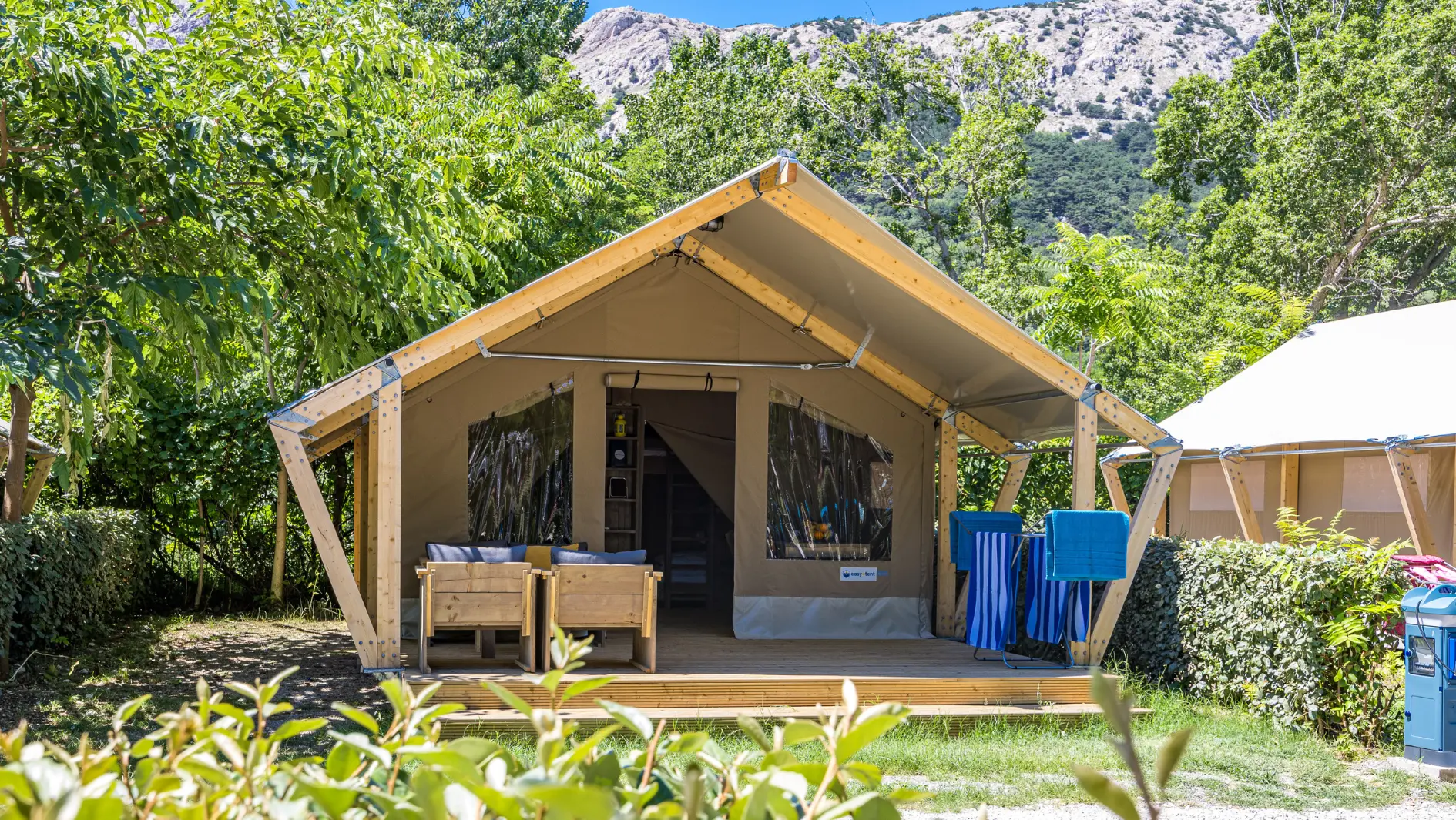
What is the best tent to live in permanently?
Permanent means two different things depending on who is asking. Someone looking for a place to live wants a dwelling. A campsite operator wants accommodation that stays up, gets booked out and lasts a decade. The same search brings up both, and the answers are not interchangeable.
What is the best tent to live in permanently? For continuous occupation on a commercial site, that is a safari lodge tent or a comparable semi-permanent structure, because those are the only canvas structures designed and engineered for the job. A camping tent, however well made, is not one of them.
Below we go through what separates a structure from a tent, what the category is actually called, and what to check before you commit.
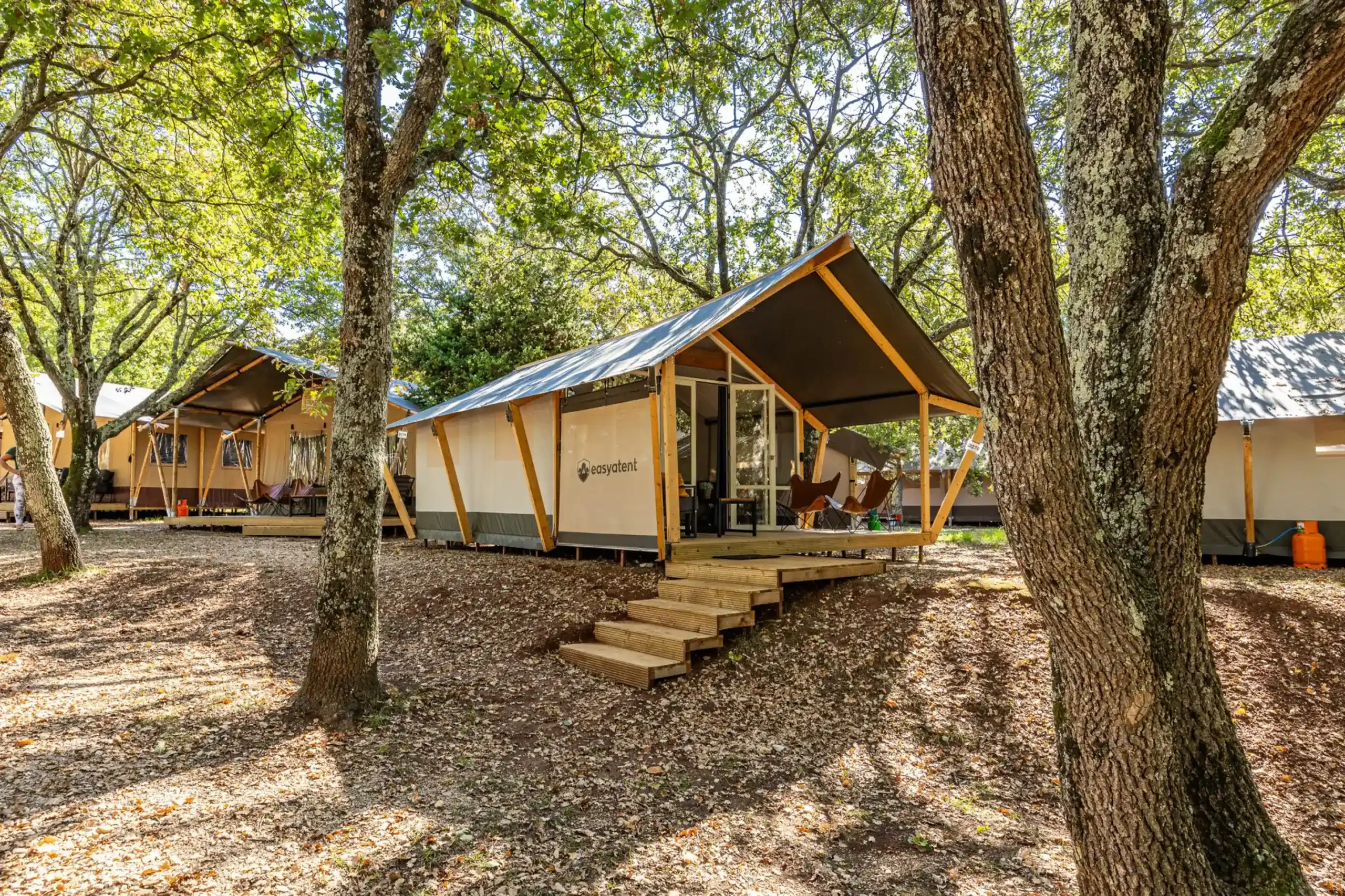
Can a tent be a permanent structure?
Can a tent be a permanent structure? In engineering terms, yes. In regulatory terms, usually not, and that difference is where most of the confusion sits.
A canvas structure can be built to stand continuously for years. The frame, the fabric specification and the anchoring are all solvable, and the industry does it routinely. What a tent generally is not is a permanent building in the eyes of the authority that grants permission.
Three factors drive how a structure gets classified almost everywhere, even though the specific rules differ by country and by municipality:
- How long it stays in place
- Whether it sits on fixed foundations or on a removable base
- Whether permanent utilities such as drainage and mains electricity are connected
Change the answer to any of those and the classification can change with it. A canvas structure on a removable deck is treated differently from the same structure bolted into concrete footings. This is worth settling with your local authority before you order anything, because it affects what you can build rather than what you can buy.
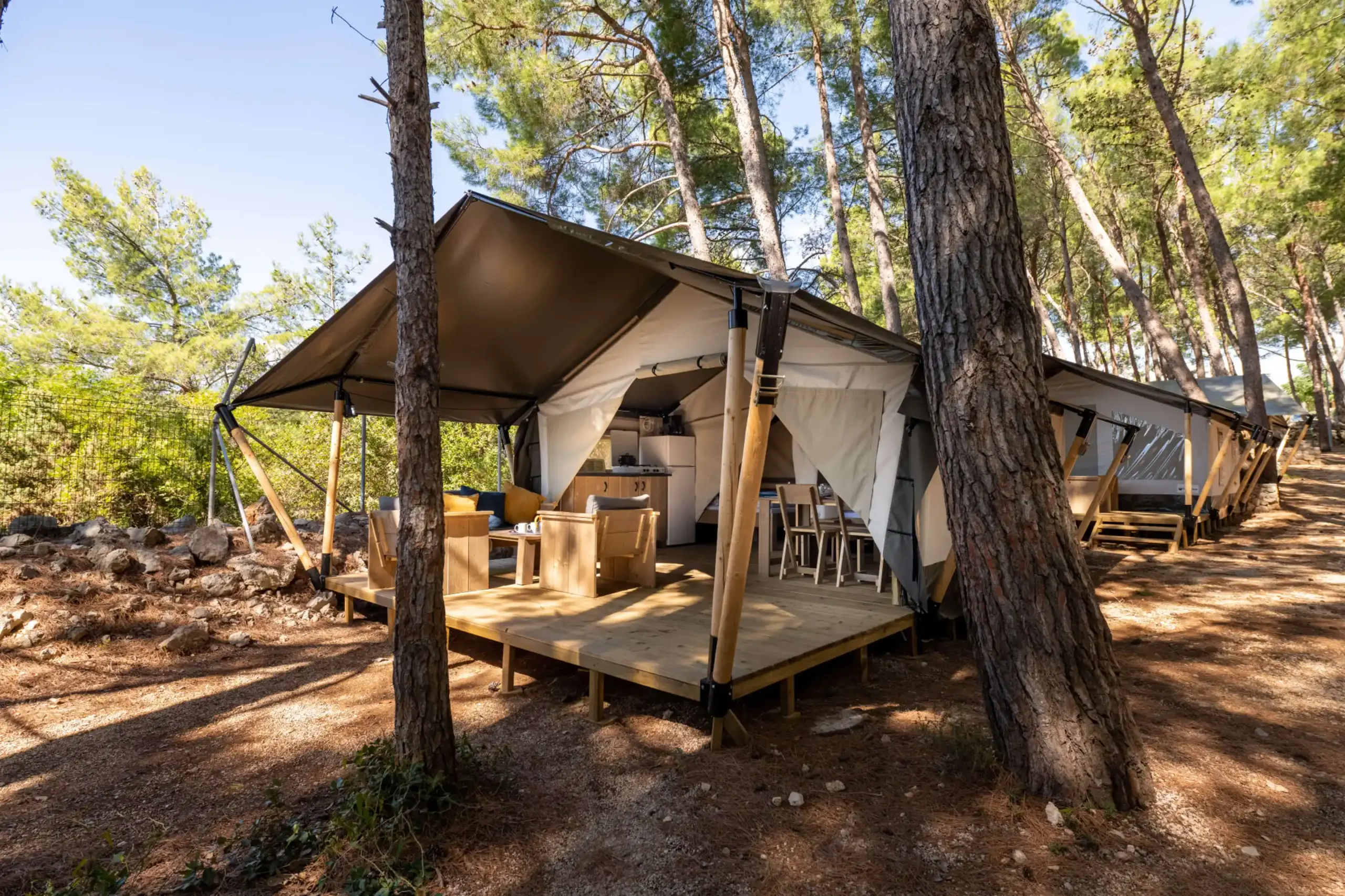
What is a semi-permanent tent called?
What is a semi-permanent tent called? In the glamping and hospitality market the usual names are safari tent, safari lodge tent and canvas lodge tent. All three describe the same thing: a large canvas accommodation unit on a solid frame, built for continuous use rather than for camping trips.
The term exists because the category sits between two others. A camping tent is portable and temporary. A building is fixed and permanent. A semi-permanent tent stands for seasons or years, can be removed without leaving foundations behind, and is specified to hotel standards inside.
Naming varies by supplier, which makes comparison harder than it should be. We set out how the categories differ in our blog on luxury tents, portable tents and facility tents.
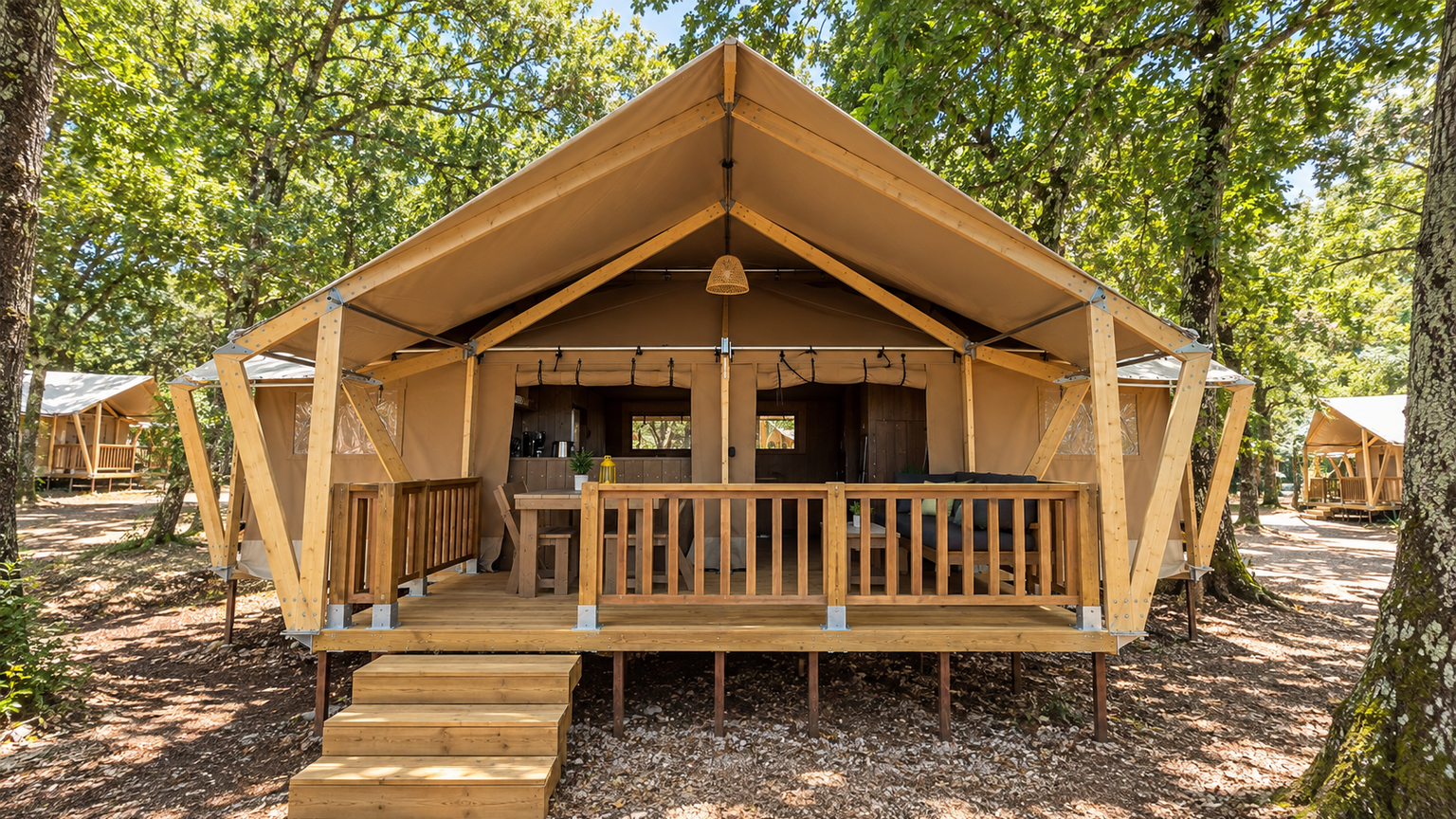
Can house tents be permanent?
Can house tents be permanent? Not in the sense of replacing a house. A canvas structure can stand year after year with the right specification and maintenance, but the materials have a service life and that life is measured in years rather than decades.
Canvas is a working material. It responds to UV, moisture and tension, and it needs attention on a schedule. A structure that is checked, re-tensioned and cleaned will long outlast one that is left alone, which is a different relationship than you have with a brick wall.
That is not a weakness of the category. It is what makes it flexible. The same property that means a canvas structure needs maintenance also means it can be installed in places where a building would never get permission, and removed again without a trace.
What the best tent to live in permanently actually needs
The question of what is the best tent to live in permanently comes down to specification rather than brand. Four things decide it.
Fabric built for continuous exposure. OSSO® tents use 320 to 430 gr/m² poly-cotton with reinforced ripstop, with UV-resistance and anti-mildew treatment standard across the range. Colour fastness grade 7 is what keeps a structure from looking tired after a few seasons of full exposure.
A frame calculated for the location. OSSO designs and engineers all tent structures in-house and performs structural analyses to EN, DIN and ISO standards, with windspeed limitations calculated for the site where the tent will stand. For continuous use that calculation is not optional.
Hardware that carries the load. YKK heavy-duty zippers and reinforced pegging points come as standard, because these are the components that fail first and take the rest with them.
A maintenance regime you will actually follow. The best specified structure on the market still needs ventilation, re-tensioning and seasonal checks. Build that into your operation before the first guest arrives.
Built for continuous use
OSSO tests every structure in factories, in laboratories and in the field, because those are the conditions the tents have to perform in. Sourcing directly from the manufacturer and controlling the full production chain is what allows us to guarantee the same quality across every tent we deliver.
Planning accommodation that stays up? Get in touch and we will go through what suits your site, your climate and your permit situation.
Contact us